
5 Must-have Upgrades for the Beer Laboratory
Every once in a while a new gadget comes across the lab bench that instantly changes or improves the workflow. Below is a list that dramatically improved my lab flow over the last decade of running a beer science laboratory. These must-have upgrades for the beer laboratory will benefit scientists, brewers, and ultimately, the quality of your beverage. Oh – and I’m not being paid for or sponsored by any of these items – they are just that good to have in the lab.
Skip the small talk: the sentences in bold are the key benefits of the upgrade.
#1: Bottle Top Dispenser for Chemicals
A chemical pump reduces volume error, positively impacts repeatability, and reduces risk of chemical spills. Bottle Top Dispensers come in a variety of sizes offering a range of volumes. I literally say “I love this thing” out loud every time I use it, in this case for IBU analysis when dispersing both the iso-octane and the hydrochloric acid. It protects the lab tech from the dangers of serious chemicals, and removes the concern about precision with identical additions across multiple samples. It’s important to keep an extra solution bottle on hand to capture the first 2-3 pumps as the system is flushed and primed. You can find them through online retailers, or reach out to your chemical supplier. Ensure the pump you select is compatible with the chemical it will be holding.

#2: Anti-Fatigue Mats
Anti-fatigue mats are used in all industries – service, nursing, manufacturing, and of course production. Protect your feet, ankles, and knees for such an affordable price. You can find these with online retailers and restaurant supply companies. Depending on the types of chemicals in your lab, be sure to get the chemical-resistant ones for testing like IBUs and VDKs.

A byproduct of these incredible foot-savers? Dropped glassware is way less likely to break, if you’re like me and prone to fits of klutziness! I’ve dropped glassware enough times that would have smashed into a million pieces had it not be for the soft cushiony embrace of the anti-fatigue mats. I recommend the 5/8-inch thickness of PVC foam, it’s the right amount of support against concrete floors. They are easily swept and mopped.
Keep in mind, these aren’t ideal for dedicated micro rooms; they can harbor malt dust, yeast, and bacteria if not properly maintained. Elsewhere in the lab it’s so worth it – your improved blood circulation will thank you.
#3: Microwave
Ditch your pressure cookers and autoclaves! Microwaves are superior for media sterilization; they are safer, more cost-effective, and FASTER than traditional methods. I used to run a pressure cooker to create media plates for WLD, UBA, and HLP that would take 3+ hours to go from powdered media to ready-to-use plates. With the microwave: It takes less than 30 minutes to go from dry media to inoculated plates sitting in the incubator.
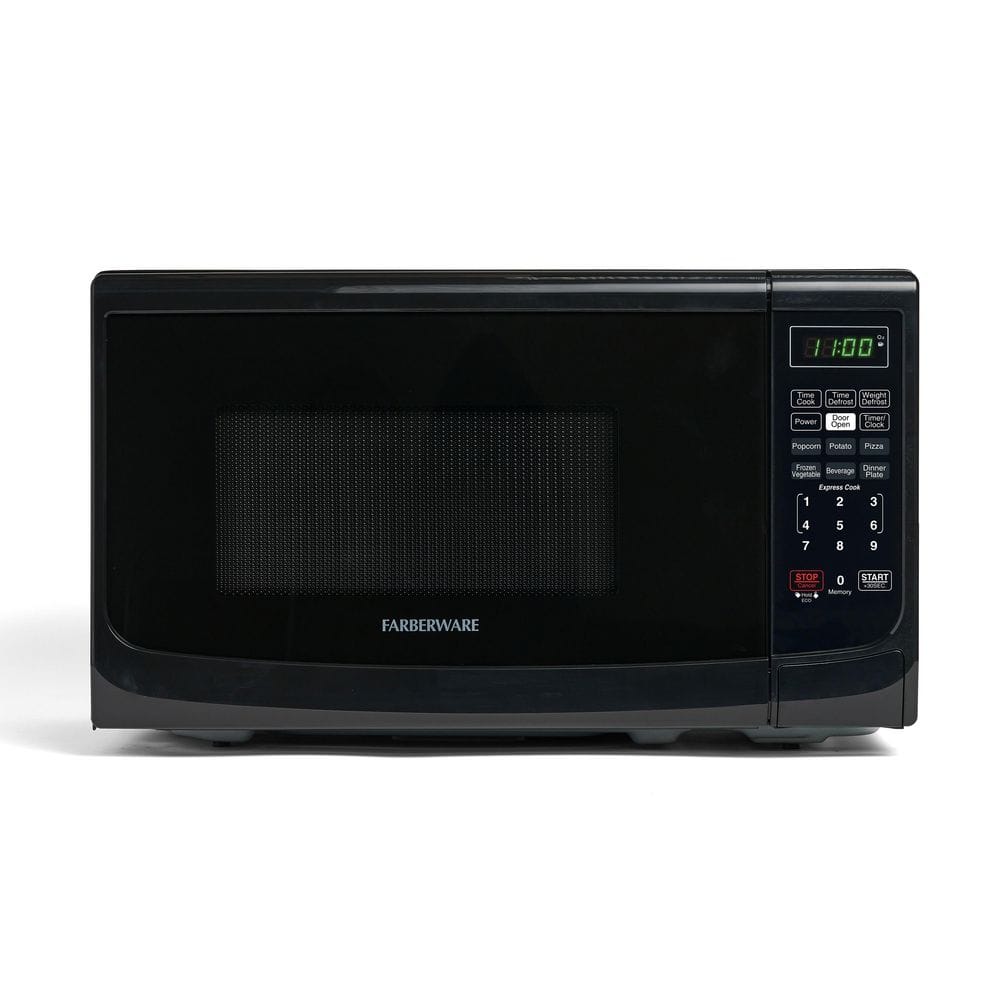
I’ve got a whole YouTube Video exploring the science behind how this works and how to successfully use a microwave to make media plates. Trust me, the sheer amount of time the microwave saves you on sterilizing micro media is worth the 40-minute video.
Be sure to purchase a microwave with the expressed intention for MEDIA ONLY, this tool is only safe in the lab if you can guarantee that no food or beverage products will be cooked in there. Head over to the nearest thrift store as a used microwave is ideal for the lab bench.

#4: pH Calibration Pods
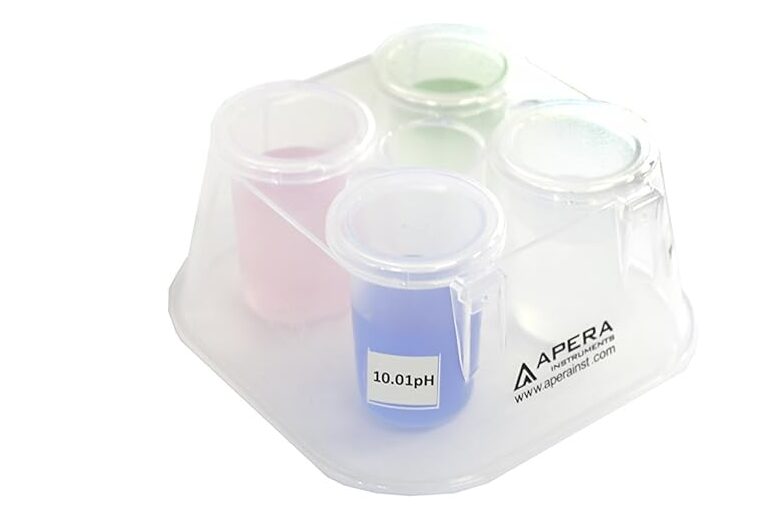
The next recommended upgrade for the beer laboratory is the Apera Instruments CalPods. I bought mine the moment I returned to the lab from a brewery visit. Straightaway, I snapped a picture of the brewer using it because in all my years in the brewing laboratory, I’d never seen anything like it. This incredible little tool allows you to reduce pH buffer waste by maximizing usage per ounce. In addition, through trial I have found that pH buffer reuse introduces calibration drift by the 5th–6th use. To prevent this, replace pH buffers every four calibrations (~once a month), rinsing with DI water between uses. Curious about more beer-centric pH/TA science and information? Check out my YouTube Fireside Chat “Beer pH & TA – Dropping Acid.“
#5: Coplin Jars for Gram Staining
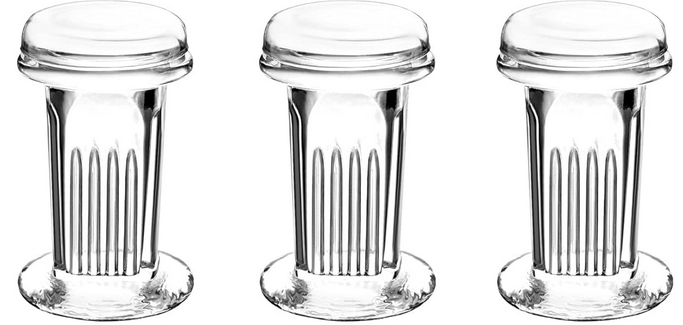
There are a few tricks to using these – it’s incredibly important that you remember to affix the bacteria to your slide with a light pass through a flame (known as heat-fix). Forgetting to flame the slide before dunking will result in the solutions being contaminated. Requiring that you replace the liquid. Remember to carefully rinse with DI water and dry the slide on a Kimwipe between each solution. Lastly, replace the stains every 1–2 weeks, ensuring the jars are flushed and sanitized between reups.
Microbiologists love this one trick! Coplin Jars are the best for staining bacteria slides with Gram Stains. e.g., Stabilized Iodine, Crystal Violet, Safranin and IPA – no, not that one! Isopropyl Alcohol. These are heavy, sealable, glass jars that hold about 15mL of staining solution and 5 microscope slides. They allow for reuse of gram stain chemicals.
I really wish I had known about these when I created my YouTube Fireside Chat “Determine Micro Identity with Gram Staining: NO FAKE IDS!” Back then, I was using weigh boats to collect stain runoff and DI rinse water for disposal in the waste bottle. Switching sooner would have saved a substantial amount of stain.
>>> Reminder: Crystal Violet is a hazardous chemical to humans and animals – do NOT rinse down the drain – be sure to collect it to dispose of according to your state and local regulations.
Final Thoughts
Whether you’re running a production lab or a small brewery bench, these upgrades are about working smarter, not harder. They improve precision, reduce waste, and protect the people doing the work – details that show up in both your data and your beer. After more than a decade in a beer science laboratory, these are the tools I reach for every day because they make routine lab work easier and safer. Sometimes the best upgrades aren’t new methods, but better tools that earn their place on the lab bench over time.
Do you have any brilliant tools or accessories that you’ve added to your workbench that you can’t help but gush about? Leave a comment and spread the good word!