5 Beer Spoilage Signs Every Brewer Should Know: Pediococcus Edition
Brewers are already juggling a thousand tasks, from recipe development and fermentation monitoring to endless cleaning and fixing equipment that seems to break at the worst possible times. The last thing brewers want after all that sweat and hard work is to discover the beer you poured your soul into has been infected. Beer spoilage isn’t just frustrating; it’s expensive, time-consuming, and potentially reputation-damaging. Spotting it early can make all the difference between saving a batch and dumping it down the drain.
Pediococcus is a Lactic Acid Bacteria, shaped like extremely tiny Saccharomyces which are Gram-positive (turn purple), and cluster in pairs or groups of four (tetrads). Below you can see the scale difference between Saccharomyces and Pediococcus.
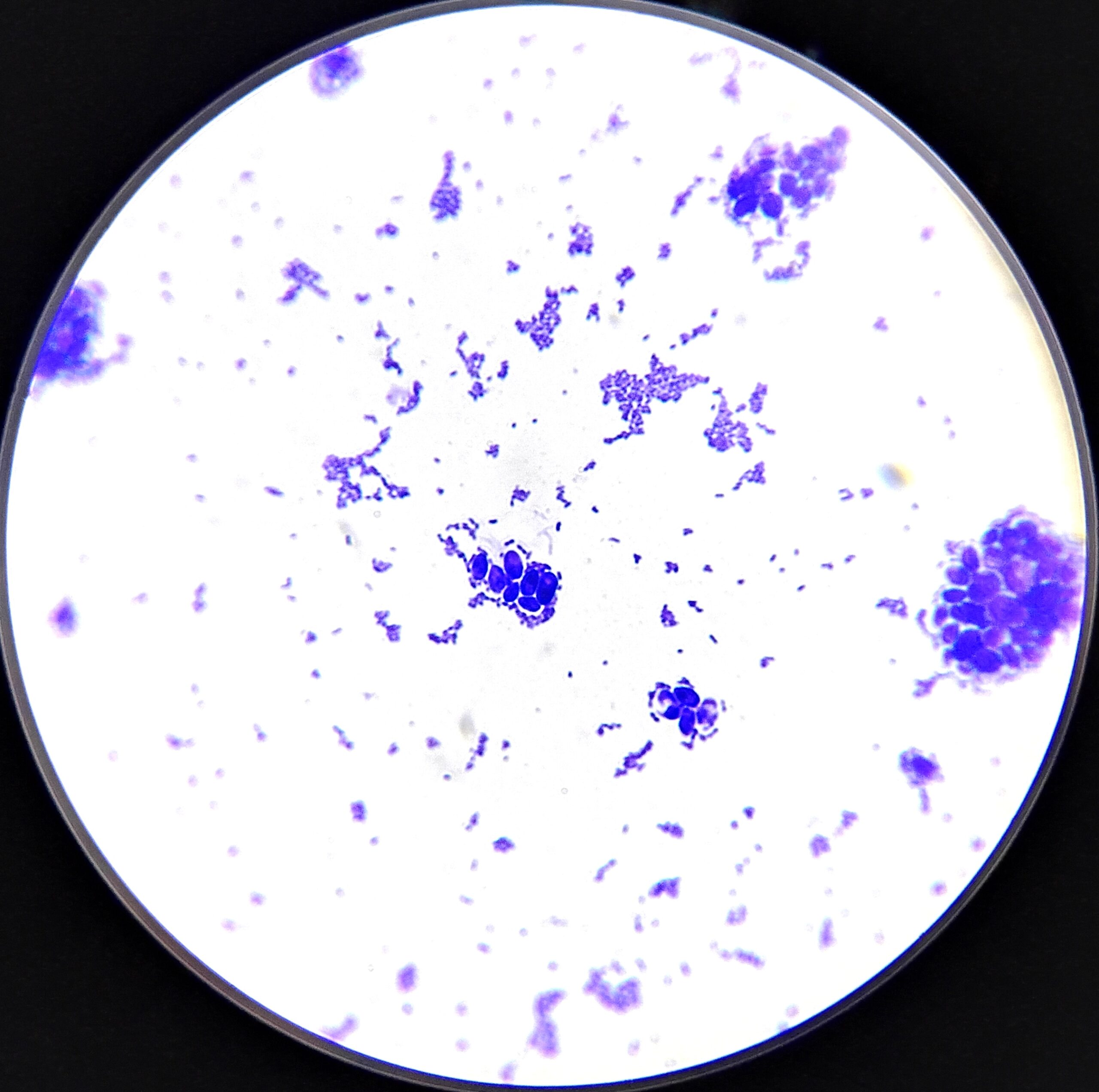
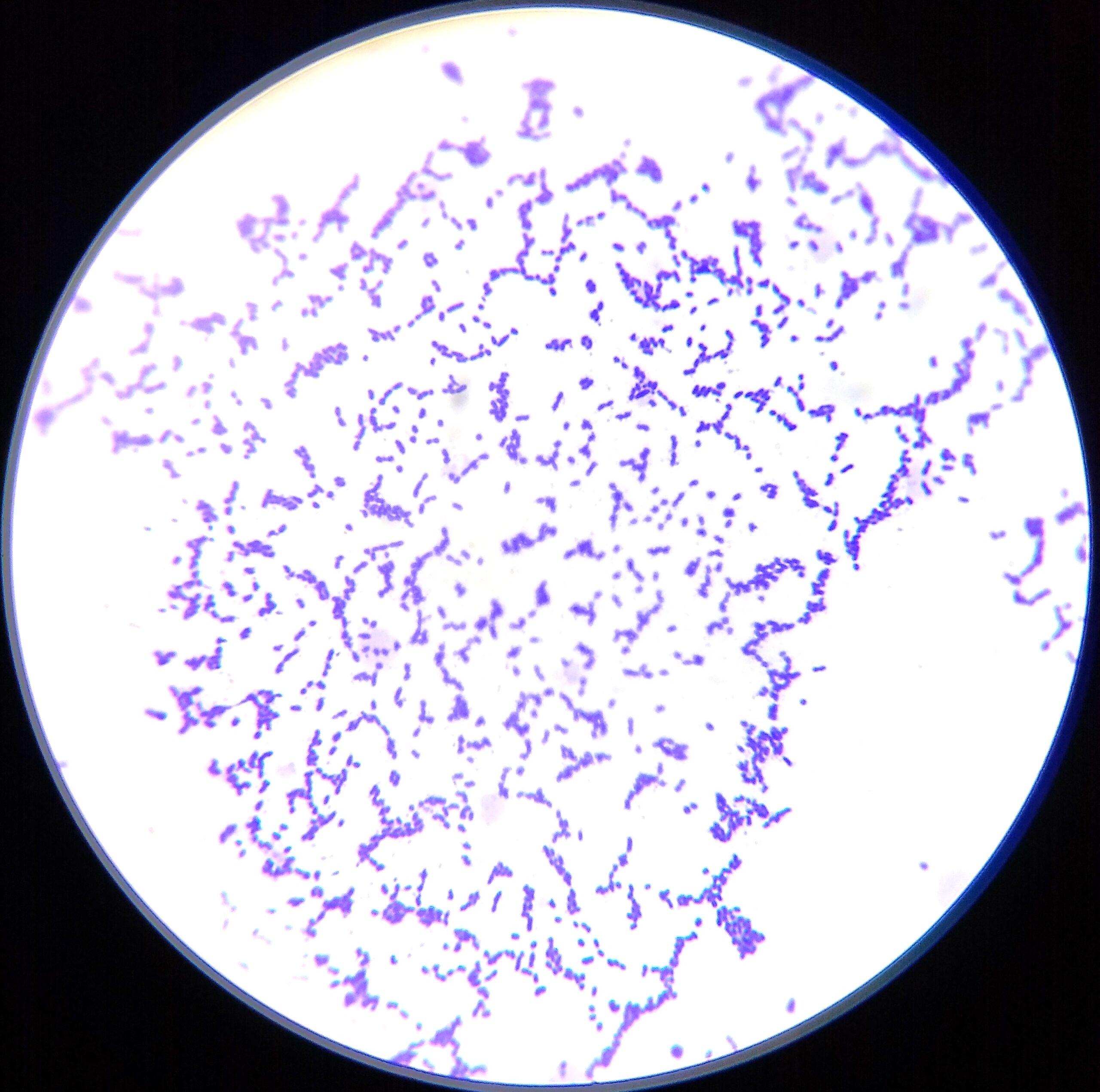
Here are five critical beer spoilage indicators every brewer should know and why proper laboratory testing is your best ally in catching mistakes before they become a Pediococcus disaster.
1. Off-Flavors of Butter and Yogurt
Every brewer knows their beer’s flavor profile should match the recipe’s intention. But when spoilage creeps in, the first red flag is often an unexpected taste. Sourness in a beer that’s supposed to be crisp and clean, buttery notes that hint at diacetyl, or an unpleasant yogurt-like tang could all signal Pediococcus contamination. The yogurt-like tartness is present because Pediococcus is a Lactic Acid-forming Bacteria (LAB), and when exposed to fermentable sugars, the cells create lactic acid as part of the fermentation cycle. Similarly, the diacetyl taste and aroma can be created by Pediococcus colonies in the exact same way that Saccharomyces ferments out diacetyl (and other VDKs). The difference? Saccharomyces is able to reabsorb the diacetyl (think about how we build in a “D-rest” during end stage fermentation), whereas Pediococcus does not retake the off-flavor back up, resulting in much higher quantities than a typical Saccharomyces ferment.
2. Slick and Coating Mouthfeel
Brewers spend countless hours perfecting the mouthfeel and texture of their beer, from the minerality of their water profile to the heaviness or body of their malt and grain bill. When that mouthfeel shifts into something thick, slick, or leaves a coating on your palate, it’s time to investigate. Beer spoilage indicators often include off-putting textures like oily, slippery, or leaving a film behind after being swallowed, all of which signal bacterial contamination. Trust your palate. If something feels even slightly slick, don’t wait for it to show up in taste tests or customer complaints. Sending samples to a beer testing lab for analysis will confirm whether spoilage organisms are present and help you trace the source before the problem spreads.
3. Low Carbonation or Complete Flatness
Carbonation is a delicate balance between beer compounds and CO₂, and Pediococcus spoilage throws that balance out of whack. While some bacterial activity could be consuming residual sugars and increasing the beer’s CO₂ levels, with Pediococcus residual sugars are consumed but CO₂ isn’t produced, lactic acid is instead. This gives the beer an overall impression of acidity and flatness. If your beer is unexpectedly flat and pouring without persistent head or releasing CO₂, it could be a Pediococcus infection.
4. Beer Pours Ropey with Laminar Flow
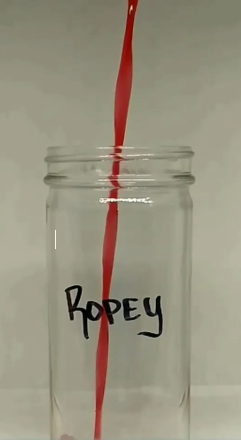
When a beer starts to pour really, really smooth (like too smooth), and it starts to look like what we call “ropey,” you’ve got a key indicator of a Pediococcus infection. Laminar flow is that smooth pouring flow which has no turbulence, with all of the beer flowing in the same direction and at the same speed. This flowy process can be interrupted with carbonation, high-protein content, or presence of Saccharomyces. Ropeyness itself stems from a Pediococcus infection. These bacteria are able to excrete polysaccharide chains which link together – called a polymer. So when poured, these links create the effect of a rope or a chain falling off an edge. This image shows how a ropey, infected beer has a smooth, stringy flow that is much more slimy in appearance. Check out the BrewLab instagram post with a video of the difference in two lambic beers.
5. Formation of a Pellicle
A pellicle is a thin layer of biofilm found floating on top of fermenting or aging beers, typically comprised of proteins, bacteria cells, polysaccharides (long chain sugars), and captured bubbles of CO₂. Since Pediococcus is able to exist with or without oxygen (we call this facultative anaerobic), it is able to grow in colonies at the surface where the beer meets air or headspace. A pellicle can even become so uniform that it blocks potential for additional microbes trapped on top of the pellicle to penetrate down to the liquid. An unintended pellicle is such a clear sign of a Pediococcus infection, additional identification tests are almost unnecessary.
Next Steps
Trust your eyes, palate, and nose. If your beer has a pellicle, seems uncarbonated, or if it is exhibiting off-flavors, don’t wait for it to show up in taste tests or customer complaints. Sending samples to a beer testing lab for analysis will confirm whether spoilage organisms are present and help you trace the source before the problem spreads. Brewery lab testing helps you understand what’s causing the change and whether the issue lies in your packaging line, your sanitation process, or deeper in the fermentation chain. A professional beer testing lab can identify whether you’re dealing with microbial contamination, residual fermentation, or another underlying problem before it spirals into something bigger.
Concerned you have a Pediococcus infection? Oregon BrewLab has a few options for you that will identify and confirm your theory. Purchase the tests below for your sample, or explore the American Society of Brewing Chemists (ASBC) beer testing methods to identify bacteria in your own beer lab.
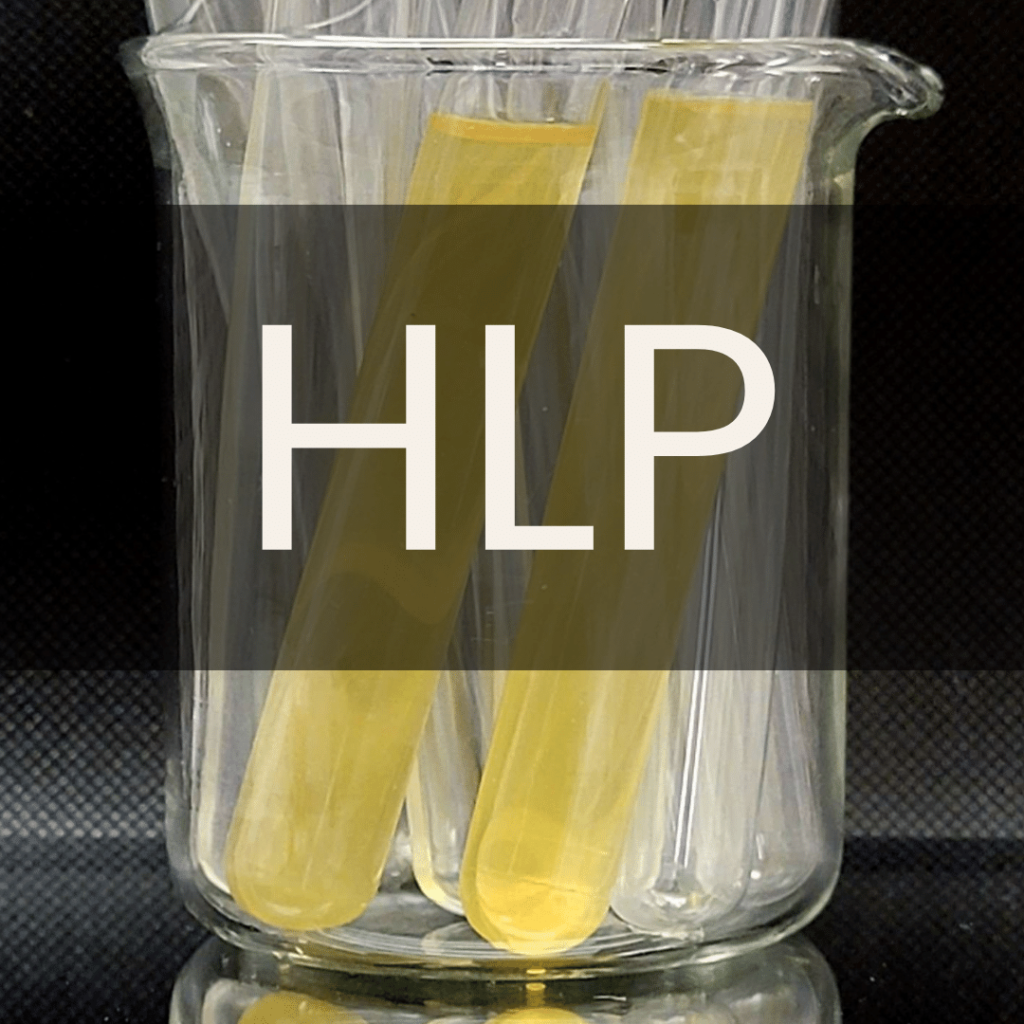
HLP Tubes
Hsu’s Lactobacillus and Pediococcus (HLP) growth media is ideal for Pediococcus identification for a number of reasons:
1. Quick turnaround time; HLP micro results in 3 days.
2. No yeast growth; HLP inhibits Saccharomyces.
3. ID Pediococcus without a microscope; HLP is a differential media, so you can see from the tube if there’s an infection.
WLD Plates
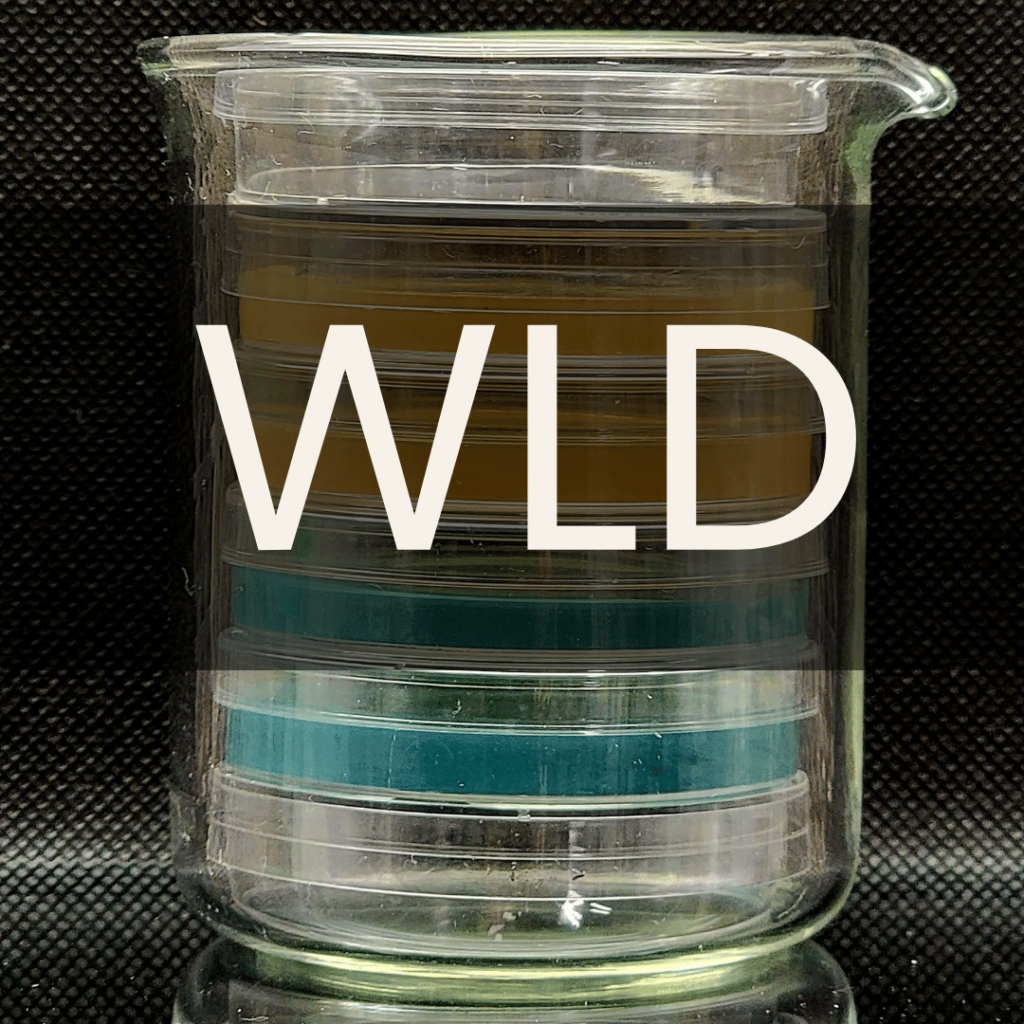
Wallerstein Labs Differential Medium (WLD) growth media is great for Pediococcus identification for a number of reasons:
1. Identify L.A.B.s via pH color change; WLD is a differential media
2. No yeast growth; WLD inhibits Saccharomyces.
3. Can ID other bacteria; WLD grows different bacteria aerobically and anaerobically.
Micro Combo: HLP, WLD
Or try both! The Micro Combo provides confirmation on two different sets of media of your choice at a discount. Get the best of both worlds by combining the HLP testing alongside the WLD plates. It guarantees partial results in 3 days, and confirmation on day 5!

Thirsty for more Microbiological Materials from Oregon?
OBL can help you ID that bacteria you just Gram Stained. It seemed so simple a moment ago! Download the Free Reference Guide “Micro ID Flowchart.” Be sure you’re able to describe the properties of your growth colony. Did it incubate with or without oxygen? Is the bacteria an Acid Producing colony? Is the shape of the cells long and thing (rods) or spherical (cocci)? After Gram Staining are the cells purple (positive) or pink(negative)? Does the colony release a gas when exposed to hydrogen peroxide (catalyse positive)?
Answer these questions and let the flow chart do the rest!